
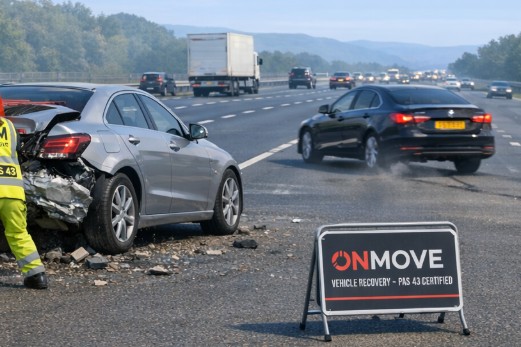
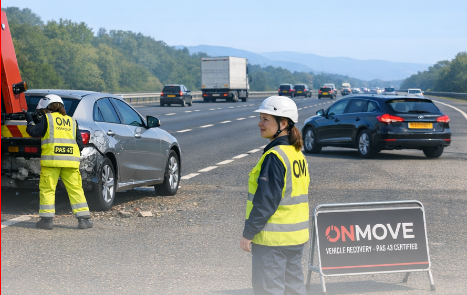
Establishing a clear protocol for the immediate aftermath of a roadside incident is critical for ensuring safety and legal compliance. Here is a scenario illustrating these emergency procedures in action.
Upon impact, the priority is stabilization and containment.
The driver approaches the other vehicle. Finding the motorist dazed and bleeding from a minor head wound, they stabilize the individual without moving them (to avoid aggravating potential spinal injuries).
First Aid: Utilizing the vehicle's trauma kit, the driver applies direct pressure to the wound using sterile gauze.
Once the immediate danger is stabilized, formal escalation begins. The driver provides a "METHANE" report:
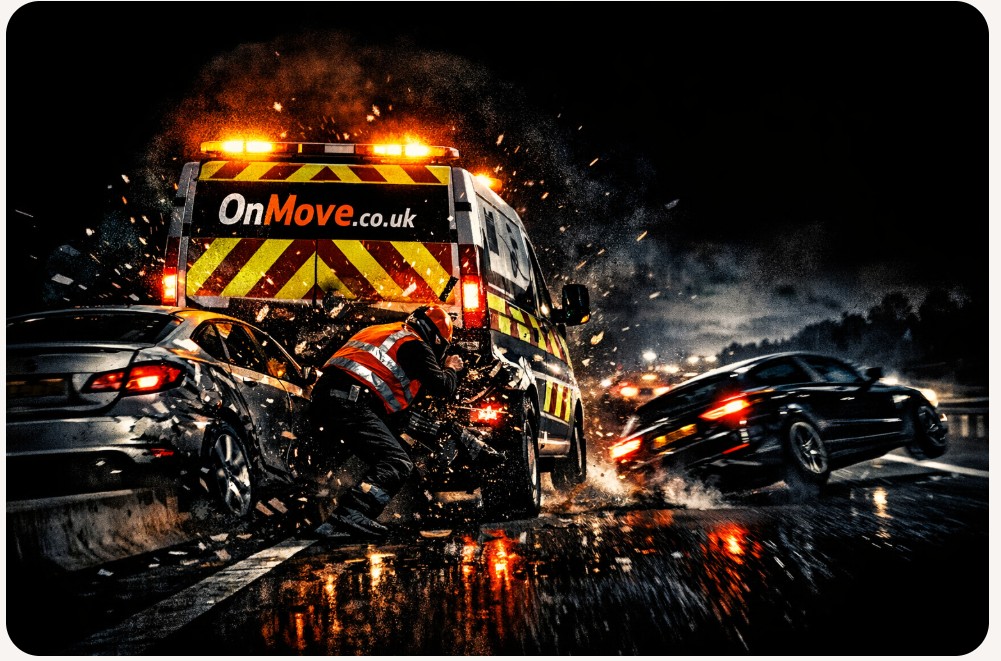
During the wait for help, a third car swerves violently to avoid the debris, nearly hitting the driver. This is recorded as a Near-Miss.
| Priority | Action | Goal |
|---|---|---|
| Critical | Signal & Perimeter | Prevent a secondary "pile-up" collision. |
| High | Life Safety | Apply first aid and call emergency dispatch. |
| Medium | Documentation | Capture "perishable" evidence before it's moved. |
| Ongoing | Reporting | File internal near-miss and collision logs. |
Note: Documentation should be completed as soon as the scene is cleared. Memory fades quickly under stress; clear, documented actions ensure that insurance and safety audits are accurate and defensible.